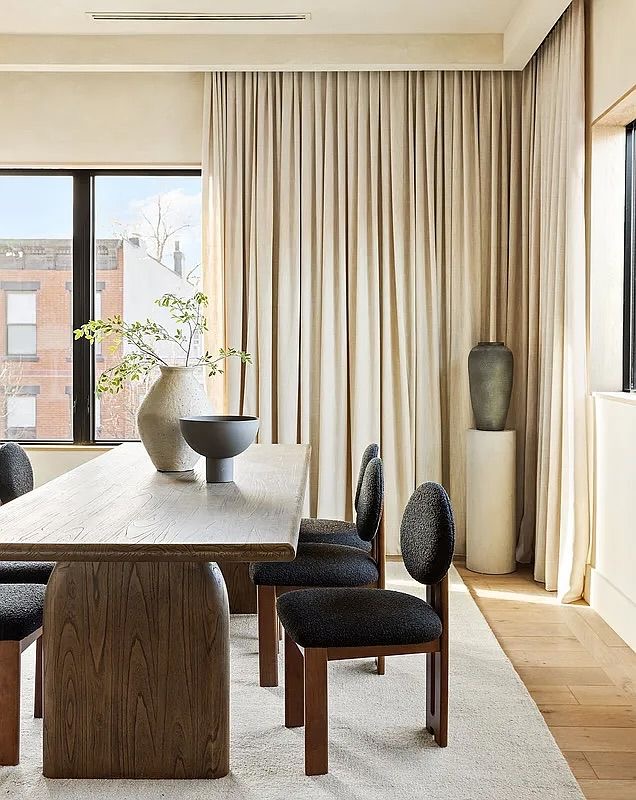
Selling a home is not only about square footage, location, or price. It is also about how the property makes potential buyers feel. Psychology plays a powerful role in real estate, and home staging taps into these emotions to create a strong connection. A staged space is carefully designed to encourage buyers to see the home as their own, which often leads to faster sales and higher offers.
First Impressions Shape Decisions
Research shows that buyers form an opinion about a home within the first few seconds of entering. An empty or cluttered room can create doubt, while a staged space sets a positive tone from the start. Clean layouts, balanced furniture, and inviting colors create immediate comfort and trust.
Visualization is Key
Most people struggle to visualize an empty room. Without furniture, it is difficult to judge scale or imagine how the space can be used. Staging removes this barrier by showing buyers exactly how each room functions. A dining table demonstrates family gatherings, a desk suggests a productive home office, and a furnished bedroom highlights relaxation.
The Role of Emotion in Buying
Buying a home is more emotional than logical. People purchase properties that make them feel happy, safe, and inspired. Staging uses soft lighting, coordinated colors, and thoughtful details to create a warm atmosphere. This emotional response often drives buyers to place stronger offers because they feel personally connected to the space.
Neutral Design Appeals to Everyone
Homeowners often decorate according to personal taste, which might not appeal to every buyer. Staging uses neutral palettes and universally appealing furniture to attract a wider audience. Instead of focusing on the seller’s style, buyers see a blank canvas where they can imagine their own lives.
Highlighting Lifestyle
Staging does not just place furniture in a room. It creates a lifestyle. A chic bar cart suggests entertaining guests, a reading nook encourages relaxation, and a well arranged living room shows comfort and style. These subtle cues influence how buyers imagine themselves living in the space.
Reduced Stress and Uncertainty
When buyers enter a staged home, they see a complete vision. There is no confusion about how to arrange furniture or whether the space will meet their needs. This reduces hesitation and gives buyers confidence that the property is the right choice.
Conclusion
Home staging is as much about psychology as it is about design. By guiding emotions, sparking imagination, and creating lifestyle cues, staging helps buyers connect with a property on a deeper level.