Introduction
In the real estate market of New York City, presentation is everything. With buyers scrolling through hundreds of listings online, a property needs to stand out instantly. Both traditional home staging and virtual staging can transform a space and attract potential buyers, but which option is the best for your situation
This post explains the differences so you can decide which approach makes sense for your property.
What is Traditional Home Staging
Traditional staging involves physically furnishing and decorating a property. Furniture, artwork, rugs, lighting, and accessories are brought in to highlight the best features of each room.
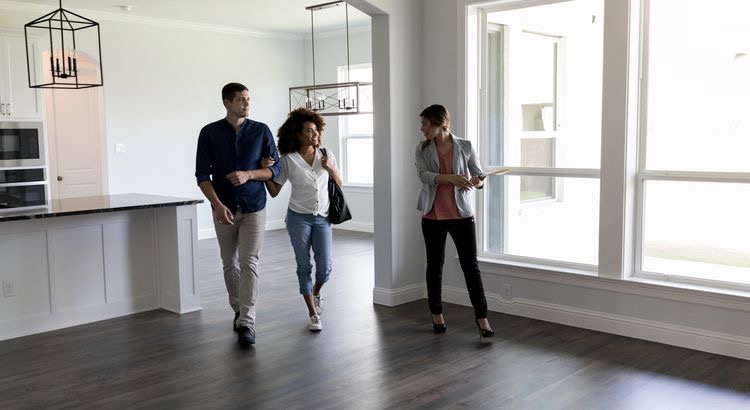
This method allows buyers to experience the property in person, walking through styled spaces that feel welcoming and move in ready.
Best for high end properties, in person showings, and sellers who want buyers to connect emotionally with the home.
What is Virtual Staging
Virtual staging uses design software to digitally furnish and decorate listing photos of an empty or outdated property. Designers add furniture, decor, and lighting effects to make the space look inviting and modern.
This option is faster and more affordable than traditional staging while still giving buyers a clear idea of the home’s potential.
Best for online listings, budget conscious sellers, and properties where physical staging is not practical.
Benefits of Traditional Staging
- Creates a real life experience. Buyers can walk through the property and feel how each space functions.
- Builds an emotional connection. A staged home feels warm and aspirational which encourages stronger offers.
- Works well for luxury homes. High end buyers expect to see furnished spaces that reflect style and comfort.
Benefits of Virtual Staging
- Cost effective. Virtual staging is often much less expensive than physical staging.
- Fast turnaround. Digital staging can be completed in hours instead of days.
- Flexible designs. Multiple design styles can be created for the same room to appeal to different buyers.
Drawbacks of Each Option
Traditional staging can be costly, requires moving furniture, and takes more time to set up.
Virtual staging may leave buyers disappointed if the property looks very different in person compared to the photos.
Which is Right for You
The choice depends on your goals, budget, and timeline.
If your property will have frequent open houses and in person showings, traditional staging creates a strong impression.
If your focus is on attracting attention online and keeping costs lower, virtual staging is a practical option.
In some cases, combining both methods works best. For example, stage the living room and main bedroom physically, while virtually staging secondary rooms.
Conclusion
Whether you choose traditional staging or virtual staging, the purpose is the same: to present your property in the best possible way and attract the right buyers.
DreamRose Design provides both home staging in New York City and virtual staging services tailored to each property. The team creates market ready spaces that help homes sell faster and often at higher prices.
Book your free consultation today and explore which staging option fits your needs.